Praline
A recipe from cooking-ez.com October 22th 2026288 K4.4
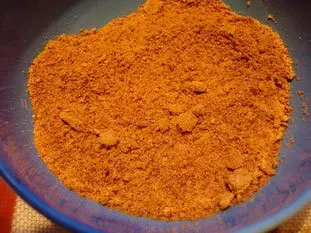
For 500 g, you will need:
- 1 250 g whole almonds
- 2 250 g caster sugar
- 3 4 tablespoons water
- Total weight: 560 grams
Times:
| Preparation | Resting | Cooking | Start to finish |
|---|---|---|---|
| 25 min. | 10 min. | 20 min. | 55 min. |
Step by step recipe
- 1: Preheat oven to 150°C (300°F).
Spread out 250 g whole almonds on a baking sheet, and put in the oven to dry roast for 5 to 10 minutes. - 2: Meanwhile heat 250 g caster sugar and 4 tablespoons water in a pan over high heat and bring to 120°C (250°F), the soft ball stage (an electronic thermometer is very useful here).
- 3: Once this temperature is reached, remove the almonds from the oven and tip striaght into the sugar.
- 4: Stir with a wooden spatula. After a few seconds the mixture should become grainy.
If this does not happen immediately it is because the sugar has not reached 120°C (250°F) yet. Don't worry, just keep stirring for a while longer until the change occurs. - 5: Turn down the heat to medium, and continue stirring the almonds non-stop...
- 6: ... until the sugar caramelizes and the almonds are all coated with dark caramel.
- 7: Then tip out the contents of the pan onto a sheet of cooking parchment or onto a silicon mat.
Leave to cool. - 8: Crush into small pieces and put in the blender.
- 9: Blend until obtaining a powder (a few seconds), if this is what you require.
- 10: If you need praline paste, continue blending and the mixture will transform itself into a paste.
- 11: Both kinds of praline should be kept in airtight jars, the paste refrigerated and the powder at room temperature.
Remarks
In this recipe for almond praline, it's important to keep the almonds in their skins to retain their full flavour. It's also possible to make hazelnut praline, but for this the skins should be removed as they add nothing.Praline is named after Maréchal de Choiseul du Plessis-Praslin, an ambassador under Louis XIII, who asked his cook to invent a sweet for him. The cook came up with the idea of coating almonds in caramel, or "praline". These caramalized nuts, when crushed, give us the praline filling for chocolates.
View this recipe : https://cooking-ez.com/base/recipe-praline.php
October 27th 2026.