Introduction to New Nordic Buffet Delicacies
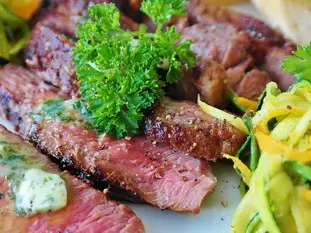
Nordic delicacies reflect culinary proficiency from Nordic nations of Denmark, Sweden, Norway, Finland, and Iceland. It features a range of simple and classic flavors and ingredients that produce satisfying meals when combined. As is the case in other regions, the flavors and ingredients often reflect what is in season.
12 K
Last modified on: August 10th 2021
Introduction to New Nordic Buffet Delicacies

Planning a Visit to Nordic Regions? Read More About Their Foods
A visit to this region without exploring one or more of their Nordic dishes or deliciously baked goodies will be considered incomplete. One notable feature of Nordic food is the preferred cooking methods, which is influenced by the long and cold winter season in the region. Such methods like preserving, smoking, salting, and drying are still the tradition today, as the weather is still the same.Ingredients for New Nordic Buffets
Nordic buffets feature popular Scandinavian ingredients which include;
•Meat; from a wide range of options including bear, horse, poultry, veal, deer.
•Seafood; from both freshwater and saltwater
•Bread; most common are rye bread forms
•Fruits and root vegetables; which are mostly pickled and preserved
•Diary; which includes cheese, creams, and fermented milk.
New Nordic Buffets
As recipes are derived from the cultures of Norway, Denmark, Sweden, Finland, and Iceland variety is a distinctive attribute of Nordic cuisine. As stated earlier, the dishes and meals reflect the ingredients that are in season, therefore, new Nordic Buffets include delicacies like:
Sublime New Nordic Buffet, in which the menu contains;Nordic smoked salmon rillette - stirred with fresh herbs - home-pickled red onions - fresh lemon peel - pea shoots. Madfolk´s sourdough bread - on real buttermilk - freshly baked – homemade; Fresh green salad - with long-baked cherry tomatoes - salt-roasted pumpkin seeds - balsamic dressing; Tender roast beef - long-cooked - pink roast - caramelized onions - fresh lemon thyme; Food people's cold béarnaise sauce - fresh tarragon; Nordic red cabbage salad - sun-dried cranberries - home-pickled red onions - roasted sesame - Madfolk's Goma dressing; Strong chocolate brownie - creamy - fresh raspberry cheese - cream - real Callebaut chocolate - freeze-dried raspberries
New Nordic Classic Buffet, in which the menu contains;Smoked salmon rillette - stirred on fresh herbs - pickled red onions - lemon peel - pea shoots; Madfolk´s sourdough bread - on real buttermilk - freshly baked – homemade; Madfolks cold béarnaise sauce - cayenne - fresh tarragon; Tender roast beef - long-cooked - pink roast - caramelized onions - fresh lemon thyme; Marinated Turkey - juicy - Nordic Romesco - nuts - baked tomato; Fresh red cabbage salad; among other ravishing dishes can be enjoyed with drinks of your choice and a pasta straw. For more amazing Nordic recipes, visit Madfolk.dk.
Pasta Straws as an Eco-friendly Alternative to Plastic
For the benefit of the environment, in an eco-friendly future in the works, plastic straws need to become outdated. Already, a viable alternative has been introduced by eco-friendly environmentalists which is pasta straws. Plastic straws have a bad reputation for obvious reasons and disposable straws made from plastic do not decompose easily.Pasta straws have been a viable alternative for some years now with companies established to produce and promote the product for the safety it represents for the environment. Water and wheat are the only ingredients in pasta straws; there's nothing else. As a result, this straw is completely vegan and safe to use. It does, however, contain gluten (wheat), thus gluten-intolerant people should avoid it. For more information about pasta straws, visit pasta-straw.com.
Lasts posts

Cut twice as fast
When you need to cut something long into small pieces, for example chopped chives or the stem of a spring onion, there's a simple gesture that doubles your cutting speed. Let's see how.May 21th 20261,873

The other use for bowl scraper
Your kitchen or bakery utensils may include a horn (left) or a pastry cutter (right). These practical utensils are normally used to scoop the contents of a bowl or salad bowl - the horn - or to cut dough - the pastry cutter. But they also have another, very practical use - let's see what it is.May 9th 20261,720

The strange foam of potatoes in milk
As you may have already noticed, when you cook potatoes in milk, especially in small pieces (slices or cubes) for a gratin for example, a surprisingly abundant white foam forms on the surface. Where does it come from?April 26th 20262,136

A little leftover butter
Very often when you're making a cake, your recipe will tell you to melt some butter and mix it into the batter - a classic for cookies, cakes, moelleux and the like. And every time you do this, you'll have to butter the baking tin to prevent the dough from sticking during baking. Naturally,...April 16th 20262,0285

A tablet holder
Perhaps you too cook by consulting your recipe on a tablet or phone, and putting it down on your worktop? It's practical, but not the best solution. Here's a look at how you can make an inexpensive, almost universal stand.March 14th 20262,5285
Other pages you may also like

The power of sayings and beliefs in the kitchen
One day, in the comments on the recipe for beaten egg whites, a young woman asked if you could beat egg whites stiff while having a period, as a friend had told her it wasn't possible. Sometime later another person commented that for mayonnaise it had been (get this!) scientifically proven that a...February 6th 201153 K4.4

Properly cooked! (the taste)
Going out to a restaurant is getting harder at the moment. In France, at least, you have to try and find one that has agreed to pass on the new lower rate of VAT at anything other than a symbolic level, and there aren't many. And then, most importantly, you have to find a good one: one where you...February 6th 201119 K 14.6

Butter doesn't make you fat, unless you eat too much of it.
Whenever I'm discussing cooking and recipes, there is one idea which comes up frequently, like this: "Oh no! But that's got butter in it" (I should add, for the sake of accuracy, that this is something I hear more frequently from women, who are almost all concerned with keeping their figure). ...March 26th 201247 K4.5

The secret of cooking until "done"
This is a real chef's skill: being able to look at a fish fillet cooking and say, "Stop – that's enough, it's cooked". I always admire this ability to see at a glance if something is done. It is what sets the professionals apart from us mere amateurs. And it's true that how fish is cooked is...November 26th 201222 K4.4

The art of the charlotte
In cooking, a charlotte is a delicious moulded dessert, with biscuits around the outside that have been soaked in a flavoured syrup, filled with a light cream or mousse. The charlotte is left to set in the fridge before being turned out and served in slices. It is very light and a lovely sweet...February 27th 201348 K4.3
Follow this page
Receive an e-mail as soon as this page is modified or receives a new comment.
We'll never share your e-mail address with anyone else.
Alternatively: you can subscribe to the mailing list of cooling-ez.com , you will receive a e-mail for each new recipe published on the site.