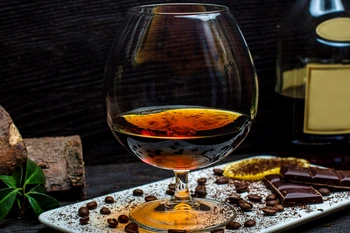

XO Cognac Explained: Meaning, Aging, and Flavor Profile


XO Cognac Explained: Meaning, Aging, and Flavor Profile
XO Cognac always goes beyond the labels on the bottle: it is often associated with tradition and quality. You get to appreciate the artistry, character and ageing process when you understand what defines this smooth Cognac.
The section below tackles everything about XO Cognac, from complex flavour development to strict maturation rules.
15
Grade this page:
Last modified on: January 28th 2026
For this post: Comment Follow Ask me a question Send to a friend
XO Cognac Explained: Meaning, Aging, and Flavor Profile
Image linked to content

Understanding XO Cognac

Making XO Cognac requires strict adherence to production standards that have been shaped through centuries of expertise. If you are wondering what is XO Cognac, the name refers to a Cognac made from eaux-de-vie. The ageing is not less than 10 years in oak barrels to allow deeper complexity to develop. The interaction with wood during maturation softens the spirit while improving aromas like floral notes, dried fruit and spice. Well-known houses involve a practice that requires precision and patience, where they blend eaux-de-vie from multiple crus to build consistency and balance.

This spirit is famed for its layered profile, offering notes of cocoa, fig, gentle oak and walnut, with a long, smooth finish. Some established expressions showcase how the long ageing process aids in bringing richness without complicating the palate. This is one of the main reasons XO Cognac is highly appreciated by both curious and seasoned enthusiasts.

Why XO Cognac Prices Vary?

While it is commonly linked to premium quality, XO Cognac prices depend on several factors.

Blending, Ageing Time and Production Scale

The length of time the eaux-de-vie spend in oak barrels plays an essential part in XO Cognac price variations. Combining longer maturation time with barrel and storage costs makes the spirit expensive compared to shorter ageing time. The blending process adds value to the spirit, as it requires proper skills and patience. Cellar masters combine crus and eaux-de-vie of different ages to get the desired consistency and balance (a very delicate process).

Buying limited or XO Cognac from smaller batches will cost you more, considering the production involves more manual oversight. Similarly, larger houses benefit from high production scale but still face high production costs because of ageing needs. This can drive the price high or low and, at the same time, influence the spirit‘s character.


Proper XO Cognac Storage

Proper storage is vital to maintain the flavour profile. First, the contact between the Cognac and the cork should be minimal by keeping the bottle upright (it can affect taste). It should be stored in a cool, dark place away from temperature fluctuation or direct sunlight. Once opened, the bottle should be sealed tightly to preserve aromas and retain its smoothness and depth over time.

Takeaway

XO Cognac stands out as a symbol of luxury, patience, craftsmanship and refined taste. Its careful blending, attention to detail, and ageing process create a high-quality spirit with complexity, depth and elegance.

Lasts posts
Butter vs. grease
Butter vs. grease
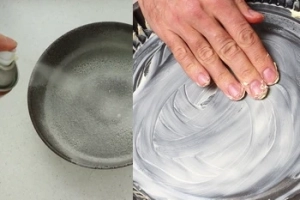
We often read in a recipe where a pastry is put into a mould that, just before pouring, the mould should be buttered or greased. But what's the difference between these 2 terms?
December 1st 20252,2505
Getting out of the fridge early
Very often when you're cooking, you need to take food or preparations out of the fridge, to use them in the recipe in progress. There's nothing tricky about this: you just take them out of the fridge and use them, usually immediately, in the recipe. But is this really a good method?
November 24th 20251,4795
Who's making the croissants?
When you look at a bakery from the outside, you naturally think that in the bakery, the bakers make the bread, and in the laboratory, the pastry chefs make the cakes. It's very often like that, with each of these professions having quite different ways of working, but sometimes there's also one...
November 23th 20251,352
Oven height
Oven height
When we put a dish or cake in the oven, we naturally tend to put it on the middle shelf, and that's what we usually do. But in some cases, this position and height can be a little tricky, so let's find out why.
October 8th 20254,2105
The importance of sieving
In recipes that use a fine powder (flour, powdered sugar, etc.), you'll often see the advice to sift before using it. To sift is to pass the powder in question through a sieve (a very fine strainer) before incorporating it into your recipe. It's often advice, but is it really useful?
September 3rd 20258,5523

Other pages you may also like
Fruits which can ruin your jelly
There are many ways of making a fruit mousse, but one of the simplest is to prepare a fruit jelly (basically a fresh fruit coulis with gelatine) and then mix this jelly before it sets completely with whipped cream. The result is perfect for filling a charlotte, for example. But do beware;...
March 6th 201379 K4.0
Foie gras without force-feeding: it can be done
I adore foie gras... I willingly admit it, I adore foie gras: the texture, the taste, the festive aspect – I enjoy all of it. I really love eating it, preparing it and, most of all, sharing what I have made with my family over Christmas and New Year. ...but then I begin to have doubts Of...
December 15th 201450 K4.4
Making the most of seeds: Dry roasting
In cooking, and particularly in baking, there are a lot of seeds we can use, such as linseed, sesame, poppy, etc. Usually, recipes simply say to add them just as they are to the mixture or dough. To make a seeded loaf, for example, prepare a plain bread dough as usual, then, towards the end of...
January 30th 201563 K4.0
What is the difference between bakery and patisserie?
This is a question that you may well have asked yourself and which I will attempt to answer. In France the two trades of "boulangerie" (bakery) and "pâtisserie" (patisserie and confectionery) have always been quite distinct, but where exactly do the boundaries lie? .
February 7th 2017135 K 14.1
Candied fruits: don't get ripped off
Do you like candied fruit? You might like to nibble a handful or add it to a recipe, like a classic fruit cake or delicious Italian specialities like panettone or sicilian epiphany pie.
June 21th 201769 K 24.2
Post a comment or question
Posted by:
I am not a leaving thing

Follow this page
If you are interested in this page, you can "follow" it, by entering your email address here. You will then receive a notification immediately each time the page is modified or a new comment is added. Please note that you will need to confirm this following.
I am not a leaving thing
Note: We'll never share your e-mail address with anyone else.
Alternatively: you can subscribe to the mailing list of cooling-ez.com , you will receive a e-mail for each new recipe published on the site.

Back to top of page