The aromatic power of sugar
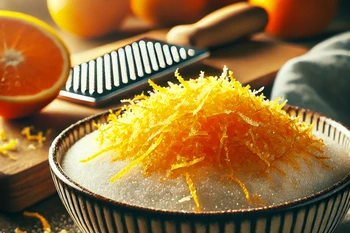
In the kitchen, sugar doesn't just sweeten, it also has an exceptional ability to capture flavors.
Combined with aromatic ingredients, such as citrus zest, it acts as a veritable sponge for aromas.
By taking the time to let the sugar soak up the flavors, you can transform your desserts, making them even more fragrant.
Combined with aromatic ingredients, such as citrus zest, it acts as a veritable sponge for aromas.
By taking the time to let the sugar soak up the flavors, you can transform your desserts, making them even more fragrant.
7,851 5/5 (1 reviews)
Keywords for this post:SugarFlavoursZestsRecipesFlavouringTastesTipsLast modified on: December 25th 2024
The aromatic power of sugar

Why does sugar capture flavours so well?
Sugar is hygroscopic, which means it attracts and retains moisture.
When it comes into contact with an aromatic ingredient, such as lemon zest or a vanilla pod, it absorbs the essential oils and volatile compounds.
The result? A fragrant sugar, ready to deliver these flavors more evenly and intensely in your recipe.
How to optimize sugar's ability to do this?
To get the most out of sugar in your recipes, simply :
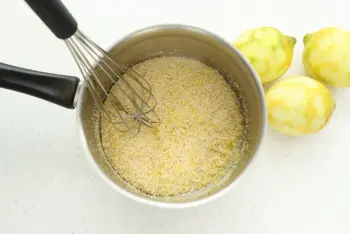
1) Mix only the aromatic ingredients and the sugar: For example, zest the lemon(s) directly into the sugar, mix well(whisk or spoon), cover or wrap and leave to stand.
2) Leave the sugar and flavourings in contact for at least an hour (time is your ally).
For best results, overnight is ideal, allowing the sugar to absorb the flavors deeply.
What's next?
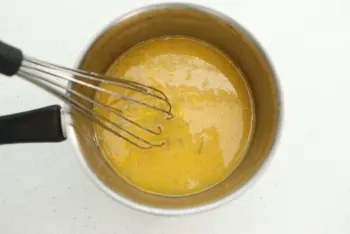
Simply continue your recipe, using this now deliciously flavored sugar.
The taste will be stronger and more balanced, in other words, your recipe will be better than if you'd simply mixed all the ingredients together.
Other gourmet examples
Here are a few other tasty combinations where this technique works wonders:- Sugar and vanilla bean: Perfect for flavoring cookies, creams or jams.
- Sugar and spices: Cinnamon, cardamom or ginger, for warmly flavored shortbread or gingerbread.
- Sugar and herbs: Basil or mint, perfect for sorbets or homemade syrups.
- Sugar and flowers: Lavender or rose, for elegant, subtle desserts.
Why is this method better than conventional blending?
When zests or flavors are mixed directly with other ingredients in a recipe, some of their flavor is dispersed or lost in the cooking process.By impregnating the sugar first, you ensure that these flavors are fully captured and released evenly, for a more intense and balanced result.
This way of doing things (sugar + aromatic ingredients mixed separately) can be applied to any recipe that contains them.
To sum up: first mix together the sugar and aromatic ingredients in your recipe, leave to stand for at least 1 hour, then continue your recipe with this highly aromatic sugar.
Lasts posts

Cut twice as fast
When you need to cut something long into small pieces, for example chopped chives or the stem of a spring onion, there's a simple gesture that doubles your cutting speed. Let's see how.May 21th 20261,409

The other use for bowl scraper
Your kitchen or bakery utensils may include a horn (left) or a pastry cutter (right). These practical utensils are normally used to scoop the contents of a bowl or salad bowl - the horn - or to cut dough - the pastry cutter. But they also have another, very practical use - let's see what it is.May 9th 20261,503

The strange foam of potatoes in milk
As you may have already noticed, when you cook potatoes in milk, especially in small pieces (slices or cubes) for a gratin for example, a surprisingly abundant white foam forms on the surface. Where does it come from?April 26th 20261,756

A little leftover butter
Very often when you're making a cake, your recipe will tell you to melt some butter and mix it into the batter - a classic for cookies, cakes, moelleux and the like. And every time you do this, you'll have to butter the baking tin to prevent the dough from sticking during baking. Naturally,...April 16th 20261,6395

A tablet holder
Perhaps you too cook by consulting your recipe on a tablet or phone, and putting it down on your worktop? It's practical, but not the best solution. Here's a look at how you can make an inexpensive, almost universal stand.March 14th 20262,2875
Other pages you may also like

Foie gras service
For the upcoming christmas meals you too may be sacrificing to the tradition of foie gras? If so, I suggest you take a look at everything that revolves around serving foie gras: how to serve it, and what to eat and drink with it.December 23th 201717 K4.9

No need to boil gelatin
Gelatin is a magical ingredient for making light, creamy, structured desserts, yet it's often misused in the kitchen. A common mistake in some recipes is the idea that it needs to be boiled for it to work properly, but this is a mistake indeed: gelatin melts at a much lower temperature, around...November 21th 202411 K5

Good fridge management
We all have a fridge at home – it's an indispensible part of the kitchen and so much a part of the furniture that we tend not to pay it much attention. But often, out of habit, we don't use it properly. Here are a few tips to help you get more from your fridge. .April 19th 201130 K4.4

A memo of utensil weights
You will no doubt have come across this problem while cooking: after starting a recipe, when you already have some ingredients in a pan and have maybe cooked them, you need to know the weight of the pan's contents so that you can take half out, or add the same weight of sugar, for example.May 9th 201129 K4.6

Fruits which can ruin your jelly
There are many ways of making a fruit mousse, but one of the simplest is to prepare a fruit jelly (basically a fresh fruit coulis with gelatine) and then mix this jelly before it sets completely with whipped cream. The result is perfect for filling a charlotte, for example. But do beware;...March 6th 201380 K4.0
Post a comment or question
Follow this page
Receive an e-mail as soon as this page is modified or receives a new comment.
We'll never share your e-mail address with anyone else.
Alternatively: you can subscribe to the mailing list of cooling-ez.com , you will receive a e-mail for each new recipe published on the site.