
The aromatic power of sugar


The aromatic power of sugar
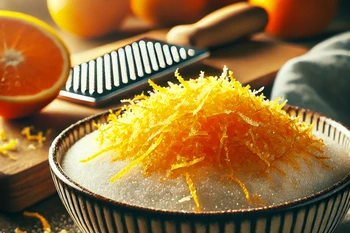
In the kitchen, sugar doesn't just sweeten, it also has an exceptional ability to capture flavors.
Combined with aromatic ingredients, such as citrus zest, it acts as a veritable sponge for aromas.

By taking the time to let the sugar soak up the flavors, you can transform your desserts, making them even more fragrant.
6,959 5/5 (1 reviews)
Grade this page:
Keywords for this post:SugarFlavoursZestsRecipesFlavouringTastesTips
Last modified on: December 25th 2024
For this post: Comment Follow Ask me a question Send to a friend
The aromatic power of sugar

Sucres

Why does sugar capture flavours so well?


Sugar is hygroscopic, which means it attracts and retains moisture.
When it comes into contact with an aromatic ingredient, such as lemon zest or a vanilla pod, it absorbs the essential oils and volatile compounds.
The result? A fragrant sugar, ready to deliver these flavors more evenly and intensely in your recipe.


texte alt

How to optimize sugar's ability to do this?


To get the most out of sugar in your recipes, simply :
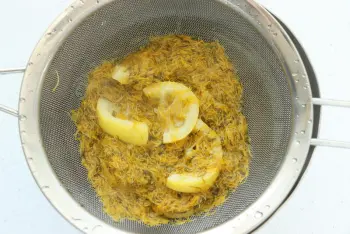
1) Mix only the aromatic ingredients and the sugar: For example, zest the lemon(s) directly into the sugar, mix well(whisk or spoon), cover or wrap and leave to stand.
2) Leave the sugar and flavourings in contact for at least an hour (time is your ally).
For best results, overnight is ideal, allowing the sugar to absorb the flavors deeply.

Usage du sucre parfumé

What's next?


Simply continue your recipe, using this now deliciously flavored sugar.
The taste will be stronger and more balanced, in other words, your recipe will be better than if you'd simply mixed all the ingredients together.


Other gourmet examples

Here are a few other tasty combinations where this technique works wonders:
  • Sugar and vanilla bean: Perfect for flavoring cookies, creams or jams.
  • Sugar and spices: Cinnamon, cardamom or ginger, for warmly flavored shortbread or gingerbread.
  • Sugar and herbs: Basil or mint, perfect for sorbets or homemade syrups.
  • Sugar and flowers: Lavender or rose, for elegant, subtle desserts.

Why is this method better than conventional blending?

When zests or flavors are mixed directly with other ingredients in a recipe, some of their flavor is dispersed or lost in the cooking process.
By impregnating the sugar first, you ensure that these flavors are fully captured and released evenly, for a more intense and balanced result.
This way of doing things (sugar + aromatic ingredients mixed separately) can be applied to any recipe that contains them.

To sum up: first mix together the sugar and aromatic ingredients in your recipe, leave to stand for at least 1 hour, then continue your recipe with this highly aromatic sugar.

Lasts posts
Butter vs. grease
Butter vs. grease
We often read in a recipe where a pastry is put into a mould that, just before pouring, the mould should be buttered or greased. But what's the difference between these 2 terms?
December 1st 20255745
Getting out of the fridge early
Very often when you're cooking, you need to take food or preparations out of the fridge, to use them in the recipe in progress. There's nothing tricky about this: you just take them out of the fridge and use them, usually immediately, in the recipe. But is this really a good method?
November 24th 20259205
Who's making the croissants?
When you look at a bakery from the outside, you naturally think that in the bakery, the bakers make the bread, and in the laboratory, the pastry chefs make the cakes. It's very often like that, with each of these professions having quite different ways of working, but sometimes there's also one...
November 23th 2025827
Oven height
Oven height
When we put a dish or cake in the oven, we naturally tend to put it on the middle shelf, and that's what we usually do. But in some cases, this position and height can be a little tricky, so let's find out why.
October 8th 20252,4165
The importance of sieving
In recipes that use a fine powder (flour, powdered sugar, etc.), you'll often see the advice to sift before using it. To sift is to pass the powder in question through a sieve (a very fine strainer) before incorporating it into your recipe. It's often advice, but is it really useful?
September 3rd 20257,3123

Other pages you may also like
How to avoid lumps
How to avoid lumps
You've probably come across this unpleasant phenomenon where, when you try to incorporate an ingredient (usually a solid or powder) into a preparation (usually a liquid), the mixture doesn't mix properly and you end up with little "balls" or little lumps of the solid part that refuse to mix with the...
October 9th 202022 K4.8
 The super powers of cornstarch
The super powers of cornstarch
I start this new year by evoking an old product, that you most probably have in your cupboards, a white powder, often in a small cardboard package with a slightly outdated look, only the "gluten free" is relatively recent, it is simply cornstarch, hence its name of maïzena. It's used for a lot...
January 14th 202215 K
No need to boil gelatin
Gelatin is a magical ingredient for making light, creamy, structured desserts, yet it's often misused in the kitchen. A common mistake in some recipes is the idea that it needs to be boiled for it to work properly, but this is a mistake indeed: gelatin melts at a much lower temperature, around...
November 21th 20248,0845
The window-pane test in bread-making
The home bread-makers often ask themselves “Have I kneaded my dough long enough?” . A good question, as dough that is insufficiently kneaded will not rise properly or will fall flat when the top is slashed, which is very frustrating. To know when the dough is ready, one can rely on the length...
June 16th 202196 K 23.9
Tranché, dissociated, failed, in short... missed!
When preparing a sauce or a cream, there's always a (small) risk that the creamy preparation you're working on will suddenly separate into two parts of different textures: a liquid part, for example, and a more or less solid part, or even become lumpy. It's terribly frustrating, but we'll see...
June 19th 202312 K5
Post a comment or question
Posted by:
I am not a leaving thing

Follow this page
If you are interested in this page, you can "follow" it, by entering your email address here. You will then receive a notification immediately each time the page is modified or a new comment is added. Please note that you will need to confirm this following.
I am not a leaving thing
Note: We'll never share your e-mail address with anyone else.
Alternatively: you can subscribe to the mailing list of cooling-ez.com , you will receive a e-mail for each new recipe published on the site.

Back to top of page