Grilled bacon is much better in the oven


Grilled bacon is much better in the oven
Some recipes call for thin slices of bacon to be cooked and added to the recipe, or to prepare one of those delicious breakfasts known as "à l'Anglaise".
9,722 5/5 (2 reviews)
Grade this page:
Keywords for this post:CookingBaconGrilledOvenPanCrispyGriddle
Last modified on: April 25th 2025
For this postComments Lasts posts Follow
For this post: Comment Follow Ask me a question Send to a friend

In the pan

If you pan-fry, the very high heat of the pan will cause the bacon slices to "waffle", a bit like this:

lard grillé à la poele

And brown quite badly, rather on the ends of the slices, and not on the whole surface.

In the oven


The trick is to bake the bacon slices in the oven at 200°C (390°F), if possible on a wire rack placed on a baking sheet.

lard grillé au four

This way, they lose some of the fat that drips under the rack, brown evenly without warping, and become nice and crispy.

To sum up: to cook slices of bacon, it's better to cook them in the oven, rather than in a frying pan.
Lasts posts
Season to the right level
When you need to salt something—for example, fish fillets before cooking them—you’ll naturally sprinkle them with a pinch of salt using your fingers. There’s nothing particularly remarkable about this very ordinary gesture, which is done all the time in the kitchen, and yet there’s a...
October 14th 20261,1735
How to Properly Fill a Jar
When you have a jar in your kitchen that’s almost empty—flour or almond flour, for example—you’ll probably refill it before it’s completely empty. And that’s a great way to go about it—no one wants to run out of an ingredient right in the middle of a recipe. Once you’ve...
October 2nd 20269565
Serving Temperature for Wine
When it comes to serving wine, you may (like me) have a fairly simple rule of thumb: red wine at room temperature, and white, rosé, and yellow wines in the fridge until it’s time to serve them. It’s very easy to remember, but it’s a bit simplistic, and you’ll see that there’s a much...
September 23th 20261,0685
Hot Emulsified Sauces
In French cuisine, sauces are a very important part of a recipe—not just a side dish. In fact, they’re so important that, especially since the time of Auguste Escoffier, they’ve been classified into categories. And among these categories are “hot emulsified sauces,” or lukewarm ones. ...
September 9th 20261,4565
Hot Dishes and Cold Dishes
When plating or serving a dish—whether hot or cold—on a plate, it’s very important to make sure they’re both the right temperature; in other words: if the dish is hot, the plate should be hot, and conversely, if the dish is cold, the plate should be cold. Is this really important? Let’s...
September 2nd 20261,2003
Other articles you might also like
Parsley stems
Parsley, whether curly or flat, is a delicious ingredient in many recipes, where it is used both raw and cooked. When used raw, in a salad for example, where it always provides, alone or with other herbs, a remarkable freshness, only the leaves are kept. And when used cooked?
July 28th 202512 K 13
The so-called "nervous" meats
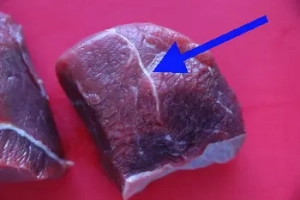
You've probably heard this before, we're talking about "nervous" meat, or meat with nerves, to describe what is indicated by the blue arrow on the left. This is a piece of beef, and what we call a nerve is not a nerve, it is in fact collagen (chemists sometimes call it a "collagen sink"), a...
April 16th 202142 K4.4
Egg yolks and caster sugar
We often come across recipes where we need to mix egg yolks with caster sugar. This would appear to be a very ordinary and simple thing to do but, be warned, these two ingredients can behave oddly together.
February 15th 201887 K 24.3
Your oven in "proofer" mode
In the bakery, proofing is a crucial stage in the process of making light, plump breads and pastries. During proofing, the yeast ferments the sugars present in the dough, releasing carbon dioxide which forms bubbles. This process allows the dough to swell and aerate, guaranteeing a soft, light...
September 27th 202415 K5
The importance of sieving
In recipes that use a fine powder (flour, powdered sugar, etc.), you'll often see the advice to sift before using it. To sift is to pass the powder in question through a sieve (a very fine strainer) before incorporating it into your recipe. It's often advice, but is it really useful?
September 3rd 202512 K3
Post a comment or question
Posted by
I am not a leaving thing
Follow this page

Receive an e-mail as soon as this page is modified or receives a new comment.

I am not a leaving thing
We'll never share your e-mail address with anyone else.
Alternatively: you can subscribe to the mailing list of cooling-ez.com , you will receive a e-mail for each new recipe published on the site.

Back to top of page