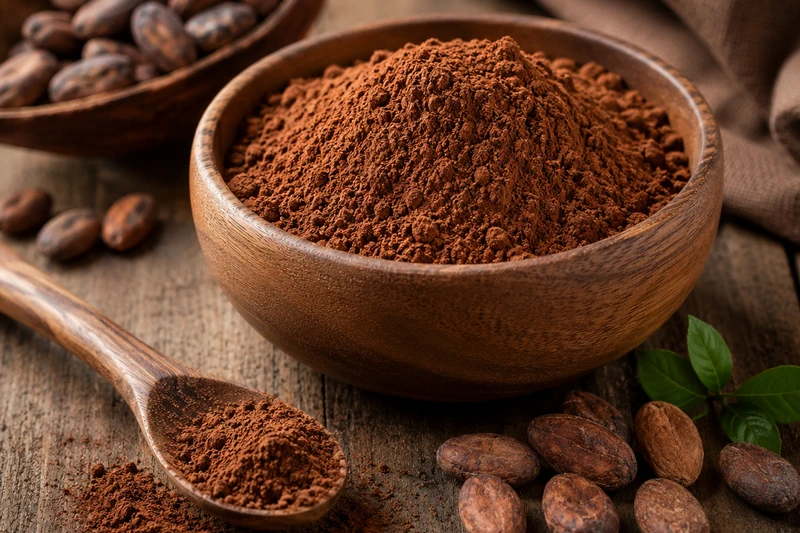
Cocoa, a Thirsty Powder
We tend to think of cocoa powder as just another flavoring, like vanilla or cinnamon. In reality, in baking, it behaves more like flour. It’s a dry ingredient, rich in fiber and starch, that absorbs a large amount of liquid. By weight, it actually absorbs even more moisture than wheat flour.Consequence: when you add cocoa to a recipe that didn’t call for it—without changing anything else—you increase the ratio of dry ingredients to liquids, throwing the recipe’s balance off.
The signs are unmistakable:
• the batter becomes thicker, sometimes difficult to mix• the cake rises less well and has a denser crumb
• when tasted, it seems dry, even crumbly
• it goes stale faster than the original version
Added to this are two side effects: unsweetened cocoa adds bitterness, and its acidity can affect how well the cake rises.
Solution #1: Replace part of the flour
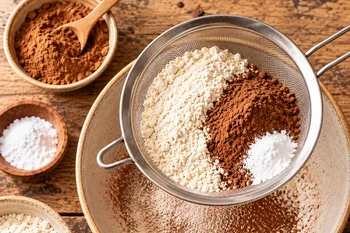
This is the simplest and most reliable method. Instead of adding the cocoa on top of the flour, substitute it for part of the flour, weight for weight.Be sure to sift the flour and cocoa together: cocoa has an unfortunate tendency to form lumps.
Solution #2: A “one-for-one” substitution of cocoa and butter
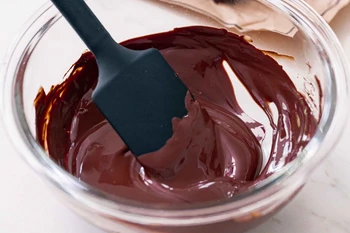
If you want to keep all the flour in the recipe, you can compensate by adding fat. The trick is to add the cocoa along with the same weight of melted butter: for example, 30 g of cocoa for 30 g of butter.This mixture essentially recreates a very rich, unsweetened dark chocolate—it’s actually the classic substitution used when you don’t have baking chocolate on hand. The fat coats the crumb and makes it moist.
Be careful, though: butter mainly provides fat (about 82%) and very little water. If you add a lot of cocoa, be sure to include a little extra liquid (milk, cream). The result will also be richer and denser: perfect for brownies, fondants, or cakes, but less suitable for a light sponge cake.
Solution #3: Dissolve the cocoa in a hot liquid
Whichever method you choose, get into the habit of dissolving the cocoa before incorporating it: in melted butter that’s still warm, in a little warm milk, or even in coffee. Three advantages:- no more lumps
- the cocoa is already hydrated and “steals” less moisture from the rest of the batter
- the heat brings out its aromas: the chocolate flavor is more intense. If
Also keep bitterness in mind
Unsweetened cocoa is bitter. As soon as you use more than one or two spoonfuls, add a little sugar: it balances the flavor and also helps keep the cake moist, since sugar retains moisture.A small amount or a large amount?
It all depends on the amount added.• Small amount (less than 3% of the batter’s weight, or about 15 to 20 g for a 650 g batter): the drying effect remains minimal. Simply mix the cocoa into a little melted butter or warm milk, or reduce the flour by the same weight. The cake will mainly take on a nice color and a light chocolate flavor.
• A more generous amount (30 to 40 g or more for the same amount of batter): this is when you really need to compensate, either by reducing the flour or by combining the cocoa with an equal weight of butter, along with a little extra liquid.
In summary: Cocoa isn’t just a flavoring—it’s a dry ingredient that absorbs moisture from your batter. To turn a recipe into a chocolate version without drying it out, replace some of the flour with cocoa, or combine it with an equal weight of melted butter. Always mix it thoroughly before incorporating it, and adjust the sugar accordingly. Your chocolate cakes will stay just as moist as the original!