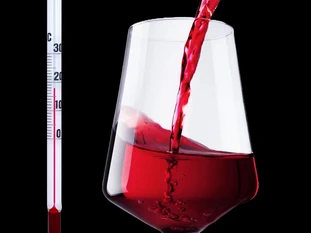
By simply adjusting the serving temperature according to the type of wine (and even its style), you can reveal far more nuances, balance, and enjoyment in the glass—without any special equipment or complicated calculations. That’s what we’ll go over below: what temperatures to aim for.
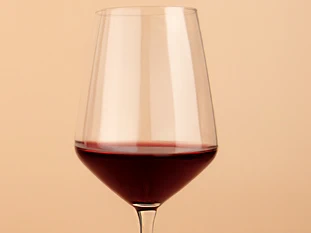
Red Wine
This old habit of serving it at room temperature isn’t heresy, but there’s a small problem: What is the room temperature? If it’s summer and the temperature is 25°C or higher, the experience will obviously be different.
In most cases, anyway—as a sommelier would tell you—we have an unfortunate tendency to serve red wines too warm, and the ideal temperature for a red wine is actually closer to 14–18°C; you can even go as low as 12°C if it’s a light red.

White and Rosé Wines
For these two, which we usually bring to the table straight from the fridge, we often go too far—but in the opposite direction, this time: too cold.
When taken out of the fridge, the bottle and its wine are around 4–8°C, and a sommelier would tell you that’s too cold—the ideal temperature for a rosé or white wine is 8–12°C.
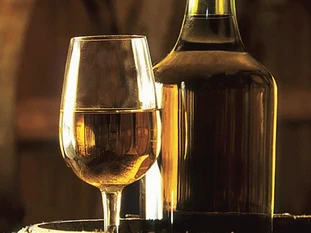
Vin jaune (yellow wine)
An exceptional wine like vin jaune calls for exceptional treatment; it, too, is often served too cold, and it truly comes into its own at 14–16°C.
A little more chill for reds, and a little less for rosés, whites, and yellow wines, will allow them to express themselves fully and let us enjoy their delicious flavors and aromas even more.
How do you do that?
That said, managing these temperatures isn’t easy, but to keep things simple, it’s wisest to chill all wines by placing them in the fridge for a long time (whites and rosés) or a short time (reds), and then bring them back to room temperature—uncorked—while monitoring their gradual rise in temperature with a thermometer.
In summary: We tend to serve red wines a little too warm, and the others (rosés, whites, and yellow wines) a little too cold; here’s a quick summary table:
| Type of wine | Ideal serving temperature | Notes |
|---|---|---|
| Red wine | 12–18 °C | The lighter the wine, the cooler it should be served (12–14 °C); the fuller-bodied the wine, the warmer it should be served (16–18 °C) |
| White wine | 8–12 °C | Light, dry whites: 8–10 °C; round or aromatic whites: 10–12 °C; and sweet or dessert wines: 6–8 °C. |
| Rosé wine | 8–12 °C | Light rosés: 8–10 °C and more full-bodied rosés: 10–12 °C |
| Yellow wine | 14–16 °C | A temperature similar to that of a medium-bodied red wine to fully bring out the typical aromas |