This site uses only a few technical cookies that are necessary for its operation.
By continuing to browse, you agree to their use (learn more...).
By continuing to browse, you agree to their use (learn more...).
Too much sweet and savoury
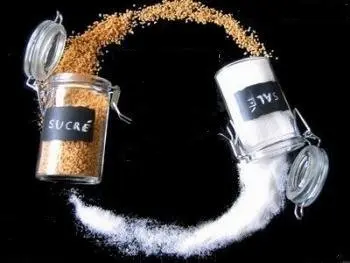
There is a food trend which is creeping in everywhere in France right now: mixing sweet with savoury. In some restaurants, it is becoming difficult to order a classic dish, like “roast veal” for instance, without being served fruits in the garnish or honey/conserves/syrup in the sauce or cooked into the dish, or even both.
29 K 4.5/5 (28 reviews)
Keywords for this post:RestaurantTasteSweet and sourExcessLast modified on: November 3rd 2011
So, of course, with that mind-set, it's almost impossible for me to appreciate the roast veal I mentioned earlier if I find the sauce has been made with honey or that it is garnished with pineapple, however pretty it looks with the accompanying vegetables.
Please don't misunderstand me, I'm not just stubbornly clinging to childhood memories; I do try things again from time to time, but to no avail: it's just not for me.
But it's not really the sweet+savoury combination itself which bothers me, it is more the fact that it has found its way onto every menu and into every sauce – well, almost. This seems to be a relatively recent trend in France, and it is taking over from our straight savoury+savoury tradition. Just where does this fashion come from: is it a foreign idea, a chef-induced madness, or something else?
Allow me to offer my own explanation, beginning with a quotation from Alain Dutournier (the great chef), who once said. “In cooking, everything has already been invented; all we do is adapt.” This is undoubtedly a bit hard, but it is at least partly true and I feel this lies at the root of the problem: as roast veal (yes, that again) is not a very original dish, the chef feel obliged to add a personal touch in attempt to distinguish himself. The easiest way is to add some unusual ingredient, so here we go with all those fruits and sweet things which are (alas!) too much of a contrast with the meat.
And that is how so many perfectly good dishes, which would be delicious even if not at all innovative, end up being “dressed up” in a sweet-savoury version to look like something fresh.
This fashion also gives rise to heresies such as apple and camembert charlotte, something I have seen prepared on television – yuk!
If this is what is going on, then it's somewhat naïve and misses the point on the flavour front. Above all, it's completely idiotic! The aim of a chef should not be to create the most original dish, but rather the best: people should flock to his restaurant because his roast veal is simply the best for miles around, not because he serves it with slices of kiwi fruit.
So, come on, you chefs! Don't be seduced by this silly rend; don't be afraid to put good old well-known dishes on your menus, but use all your skill, all your heart and soul, to make every mouthful a pure delight.
P.S.: for those who do enjoy sweet and savoury combined, I have always wondered why it is that fruit is supposed to go well with meat, but that apple tart with tomato sauce doesn't work. Can anyone explain?
Lasts posts
When you need to salt something—for example, fish fillets before cooking them—you’ll naturally sprinkle them with a pinch of salt using your fingers. There’s nothing particularly remarkable about this very ordinary gesture, which is done all the time in the kitchen, and yet there’s a...
October 14th 20261,1115
October 14th 20261,1115
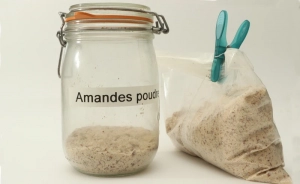
When you have a jar in your kitchen that’s almost empty—flour or almond flour, for example—you’ll probably refill it before it’s completely empty. And that’s a great way to go about it—no one wants to run out of an ingredient right in the middle of a recipe. Once you’ve...
October 2nd 20269355
October 2nd 20269355
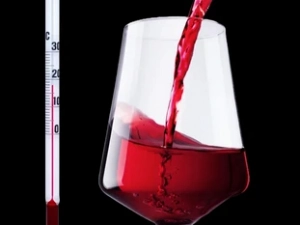
When it comes to serving wine, you may (like me) have a fairly simple rule of thumb: red wine at room temperature, and white, rosé, and yellow wines in the fridge until it’s time to serve them. It’s very easy to remember, but it’s a bit simplistic, and you’ll see that there’s a much...
September 23th 20261,0345
September 23th 20261,0345

In French cuisine, sauces are a very important part of a recipe—not just a side dish. In fact, they’re so important that, especially since the time of Auguste Escoffier, they’ve been classified into categories. And among these categories are “hot emulsified sauces,” or lukewarm ones. ...
September 9th 20261,4405
September 9th 20261,4405

When plating or serving a dish—whether hot or cold—on a plate, it’s very important to make sure they’re both the right temperature; in other words: if the dish is hot, the plate should be hot, and conversely, if the dish is cold, the plate should be cold. Is this really important? Let’s...
September 2nd 20261,1803
September 2nd 20261,1803
Other articles you might also like
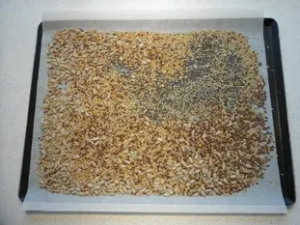
In cooking, and particularly in baking, there are a lot of seeds we can use, such as linseed, sesame, poppy, etc. Usually, recipes simply say to add them just as they are to the mixture or dough. To make a seeded loaf, for example, prepare a plain bread dough as usual, then, towards the end of...
January 30th 201566 K4.0
January 30th 201566 K4.0
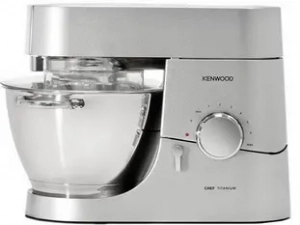
Whether we call it a stand mixer, food processor, or simply refer to it by brand (Kenwood, KitchenAid, etc.), this machine is a valuable tool for amateur cooks, bakers or pastry chefs like ourselves. All these machines come supplied with 3 different tools. Let’s take a look at their names and...
November 2nd 201940 K4.5
November 2nd 201940 K4.5
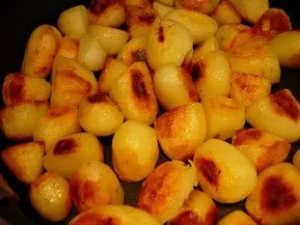
In cooking there are a lot of dishes that appear to be extremely simple but which can actually prove to be very tricky. Amongst those that I'm aware of having this reputation are omelette and fried potatoes.
February 6th 201126 K4.5
February 6th 201126 K4.5
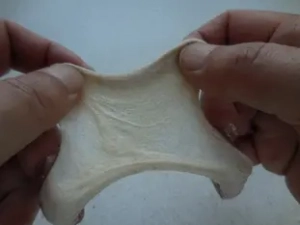
The home bread-makers often ask themselves “Have I kneaded my dough long enough?” . A good question, as dough that is insufficiently kneaded will not rise properly or will fall flat when the top is slashed, which is very frustrating. To know when the dough is ready, one can rely on the length...
June 16th 2021100 K 23.9
June 16th 2021100 K 23.9

What does steam have to do with bread-making? This is not only a bakers' secret, it is something you might not think of at all: if you make bread and bake it like a cake, you will end up with bread, but pale and with a thick, hard crust – a long way from the golden-brown crusty loaf you had in...
June 16th 2021152 K4.5
June 16th 2021152 K4.5
Post a comment or question
Follow this page
Receive an e-mail as soon as this page is modified or receives a new comment.
We'll never share your e-mail address with anyone else.
Alternatively: you can subscribe to the mailing list of cooling-ez.com , you will receive a e-mail for each new recipe published on the site.